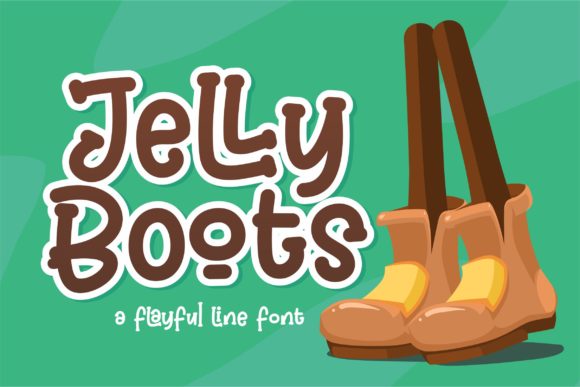
Jelly Boots: A Playful Display Font for Web Design
It was a quiet afternoon when I first dropped Jelly Boots into my browser’s font previewer. I had just finished sketching out the homepage layout for a boutique online store, and I needed something that would bring warmth and whimsy to the hero section. The moment I saw Jelly Boots, I knew it had potential—its soft curves and friendly silhouette hinted at a typeface that could charm both visitors and brand identity alike.
A Font with Personality
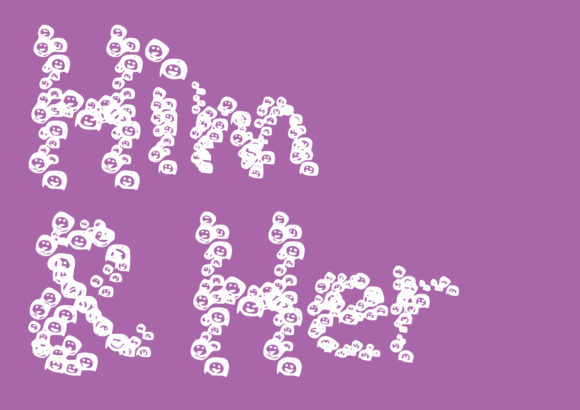
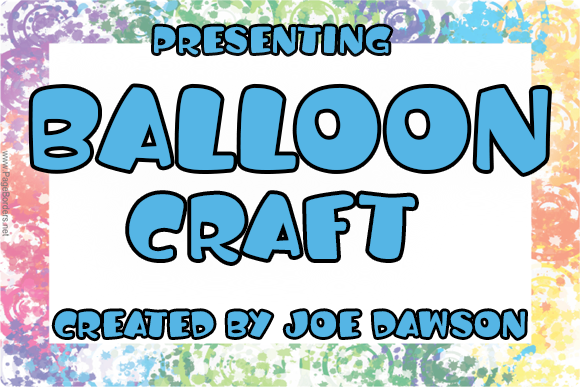
Jelly Boots is more than just a display font; it’s a character. Its casual charm and down-to-earth appeal make it feel approachable, almost like a friend waving hello. The design has a playful yet readable quality that works well for attention-grabbing headlines without sacrificing clarity. Each letter feels handcrafted, with subtle variations in stroke weight and gentle serifs that give it a touch of elegance without becoming too formal.
This makes Jelly Boots particularly well-suited for digital spaces where personality matters—think creative portfolios, boutique websites, or lifestyle brands aiming to convey a sense of fun and authenticity.
Testing Jelly Boots on a Real Website
I decided to test Jelly Boots in a real web layout. I placed it in the hero section of the boutique site I was designing, overlaying it on a bright, colorful image of handmade goods. The font immediately stood out, drawing the eye without overwhelming the background. It felt natural, as if it belonged there, and it added a nice contrast to the clean, modern layout of the rest of the page.
On mobile screens, Jelly Boots performed surprisingly well. The letters remained legible even at smaller sizes, which is crucial for responsive design. I also tested it on dark backgrounds and light ones, and it maintained its readability and visual appeal across different color schemes. This versatility made it a strong candidate for use in call-to-action buttons and section headings throughout the site.
Where Jelly Boots Shines Online
Jelly Boots excels in short, impactful phrases. It’s perfect for hero titles, product banners, and promotional headlines. For instance, using it on a course sales page for a creative writing class brought an inviting, lighthearted tone that aligned perfectly with the brand’s voice. Similarly, it worked wonders on a blog header for a lifestyle website, adding a touch of personality without clashing with the overall design.
However, it’s important to note that Jelly Boots isn’t ideal for long paragraphs or dense blocks of text. Its decorative nature makes it better suited for display purposes rather than body copy. That said, pairing it with a clean sans serif font for supporting text ensures a balanced, professional look that maintains readability and visual harmony.
Font Pairing and Practical Tips
When working with Jelly Boots, I found that pairing it with a simple sans serif font like Montserrat or Open Sans created a great contrast. The combination allowed the headline to stand out while keeping the rest of the content easy to read. For a more editorial feel, a classic serif font like Merriweather complemented Jelly Boots nicely, giving the design a polished yet friendly appearance.
Before implementing Jelly Boots on any client project, I always check the font’s available styles, weights, and alternates. Ensuring that it supports multilingual characters is also essential, especially for international audiences. And of course, verifying commercial font licensing is a must when using it for websites, landing pages, or digital templates.
Branding and Emotional Appeal
Fonts are more than just typography—they’re part of your brand’s voice. Jelly Boots adds a layer of emotional appeal to any digital space, making it easier to connect with audiences who value creativity, craftsmanship, and a sense of playfulness. Whether you're designing a portfolio site, an online shop, or a campaign landing page, this font can help set the right tone and reinforce your brand’s identity.
Its ability to evoke warmth and approachability can be especially powerful in industries like lifestyle, wellness, and handmade goods. When used thoughtfully, Jelly Boots doesn’t just look good—it feels good, creating a more engaging and memorable user experience.